


 English
English

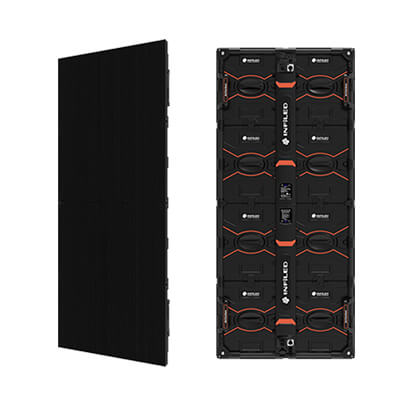
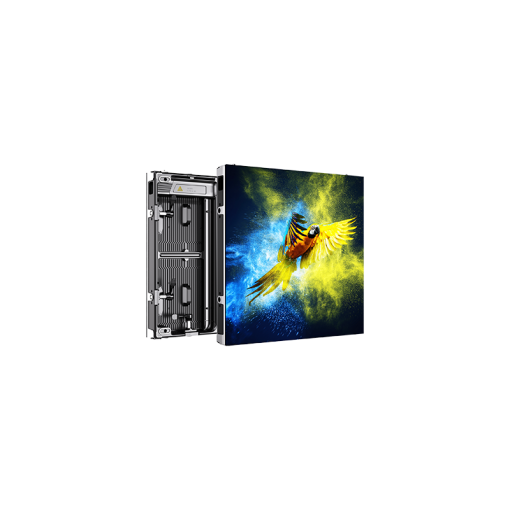
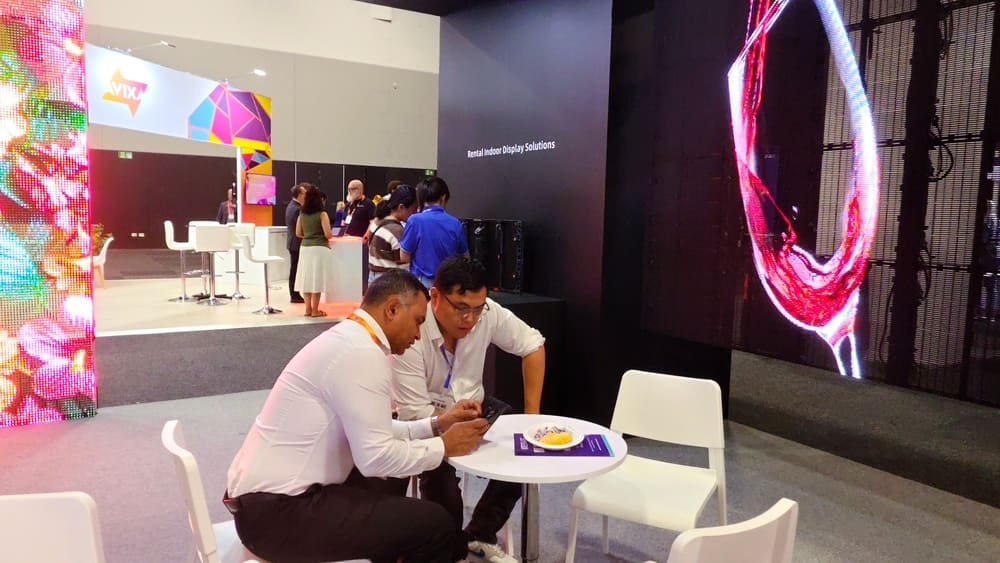
From September 2–4, Fabulux joined INTEGRATE 2026 in Sydney, showcasing a range of LED display solutions designed for commercial, outdoor, and live event applications. At Booth HM47, the focus was on how LED technology can adapt to different environments—not just in terms of image quality, but also form factor, installation, and overall integration.
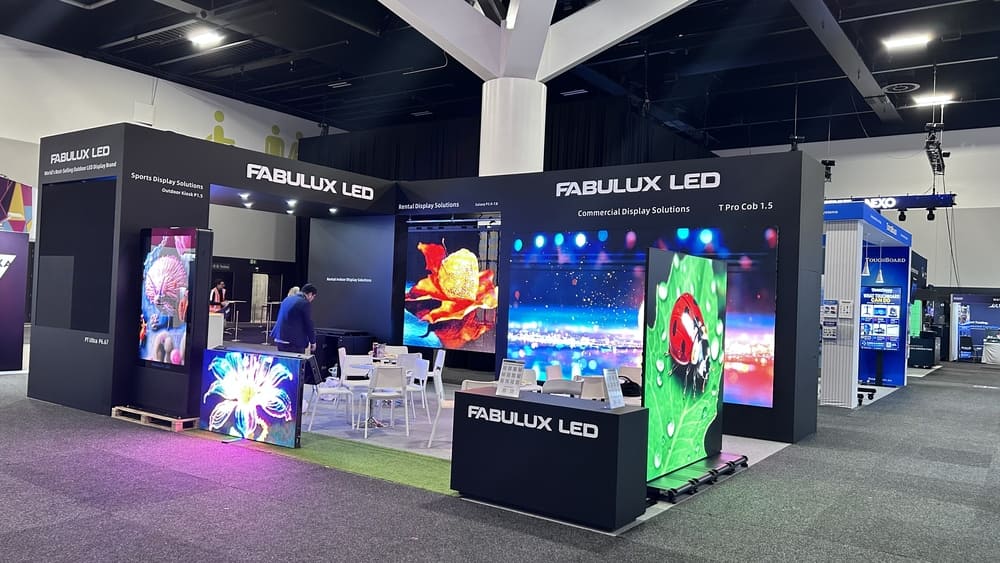
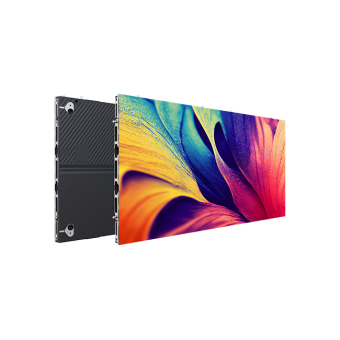
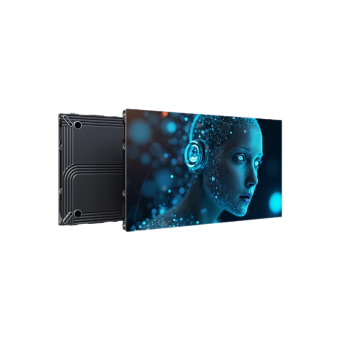
For commercial and corporate environments, Fabulux presented the T Pro COB Indoor Commercial Display, combining a slim form factor with COB technology for high-quality visuals and a clean, modern appearance. The T Pro COB Poster offered a more flexible approach to digital signage. Each unit can operate independently as a standalone display or be combined with multiple units to create larger configurations, making it easier to adapt digital content to different spaces and layouts.
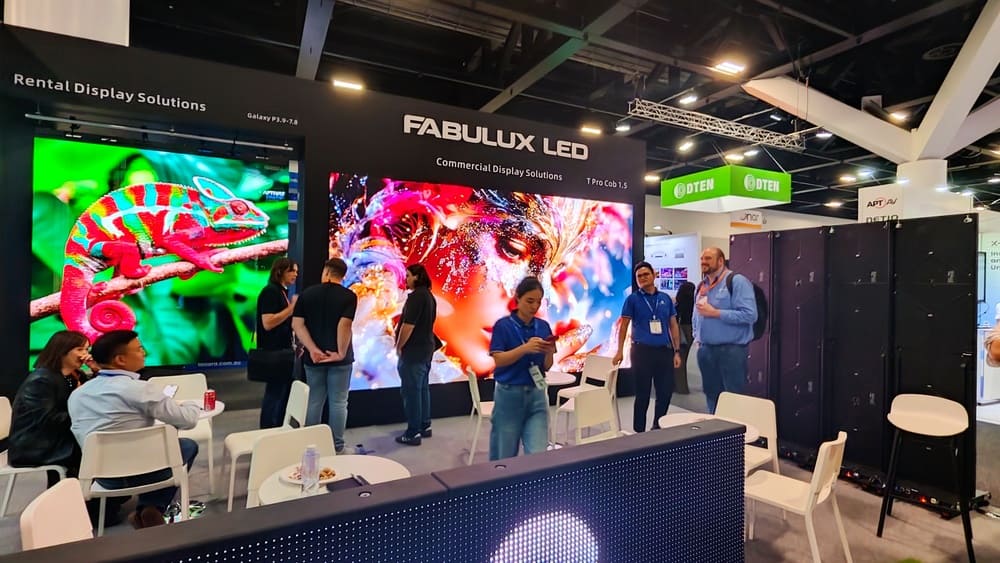
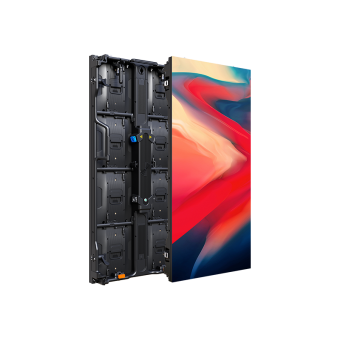
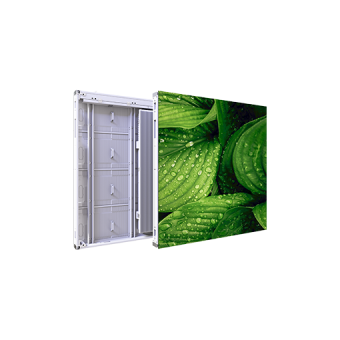
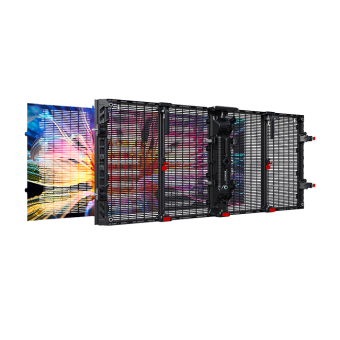
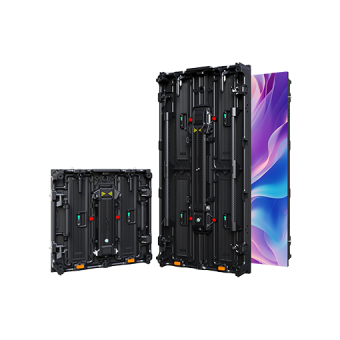
Outdoor applications require more than brightness. Displays need to work with their surroundings, installation conditions, and the way people interact with the space. At INTEGRATE, Fabulux showcased the Platinum Series and Platinum Ultra Series, covering established outdoor LED applications with a focus on reliability, image performance, and energy efficiency. The Urban Pixel Series takes a more application-specific approach, integrating LED display into street furniture and public spaces. Its flexible format allows digital content to become part of the urban environment rather than simply being added to it. For architectural applications, the Platinum Mesh Series combines a lightweight, transparent structure with outdoor durability, making it suitable for building façades and other large-scale installations where visual impact and architectural aesthetics need to work together.
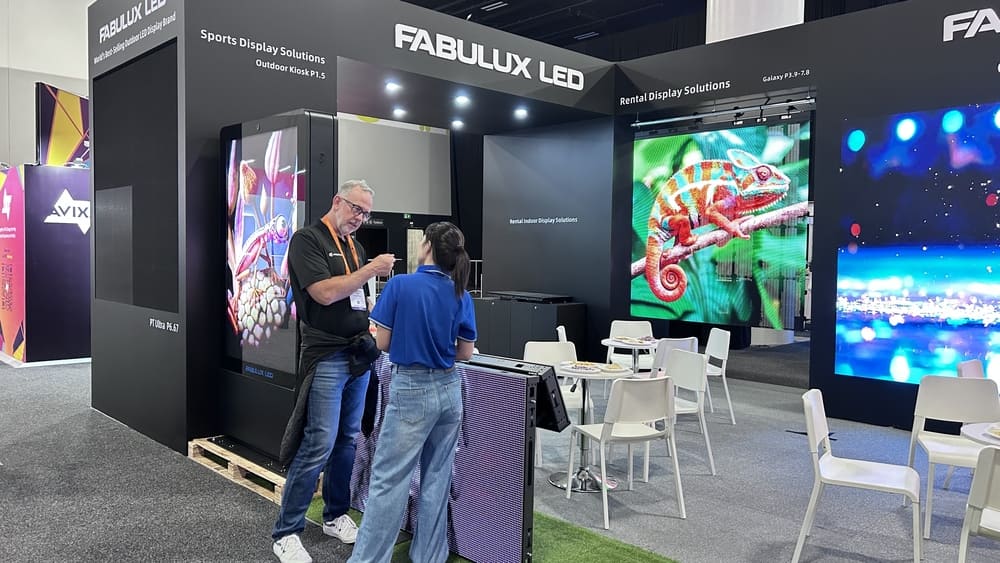
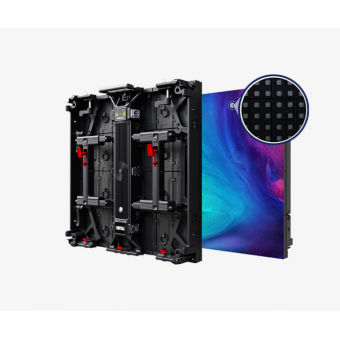
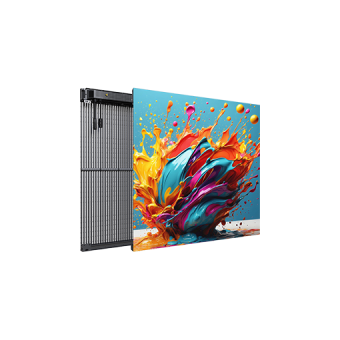
For live events and rental applications, Fabulux showcased the Galaxy Series Transparent LED Display. Designed for suspended configurations, the transparent display allows visual content to coexist with the surrounding stage structure. The result is a more open visual environment where LED content, lighting, and stage design can be layered together. This approach gives designers greater freedom to move beyond conventional flat LED screens and explore more integrated stage configurations.

 中文
中文 Network&Warranty
 Download
 Video
Video